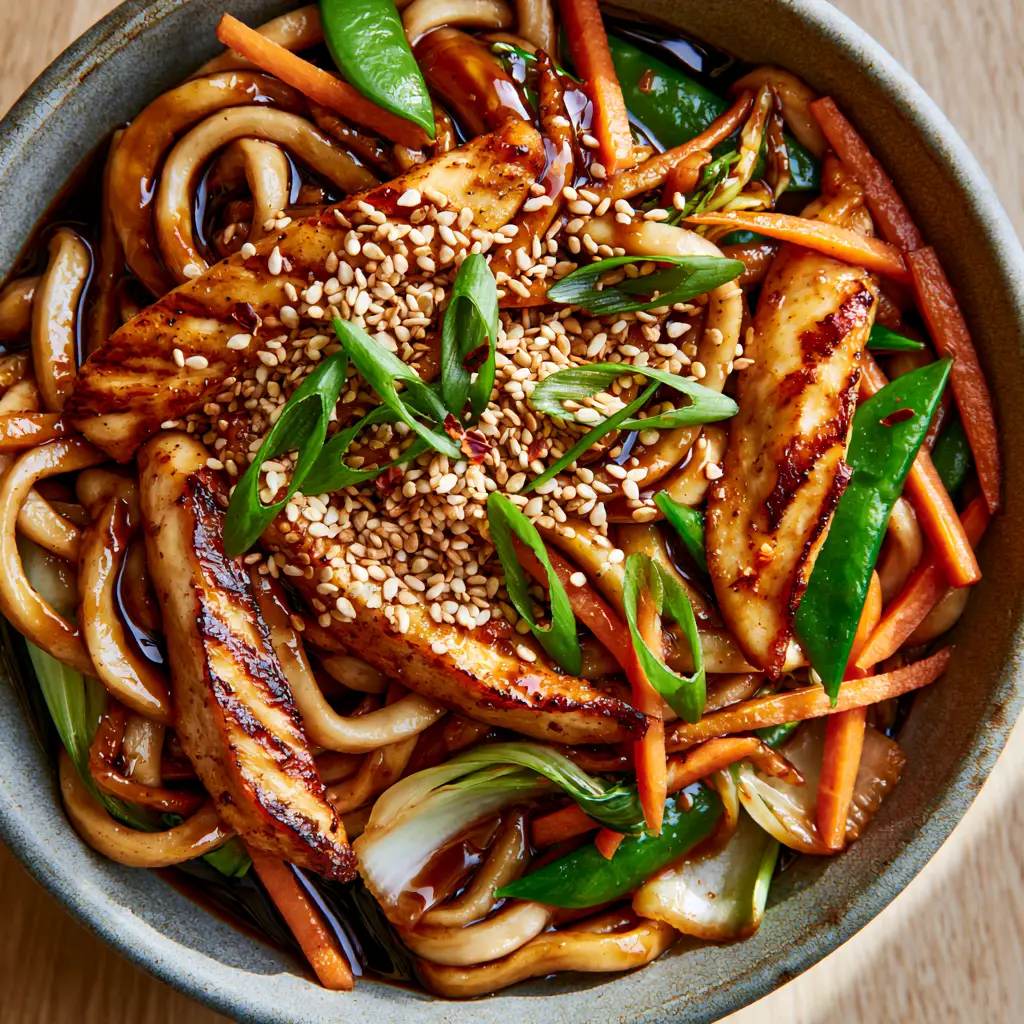
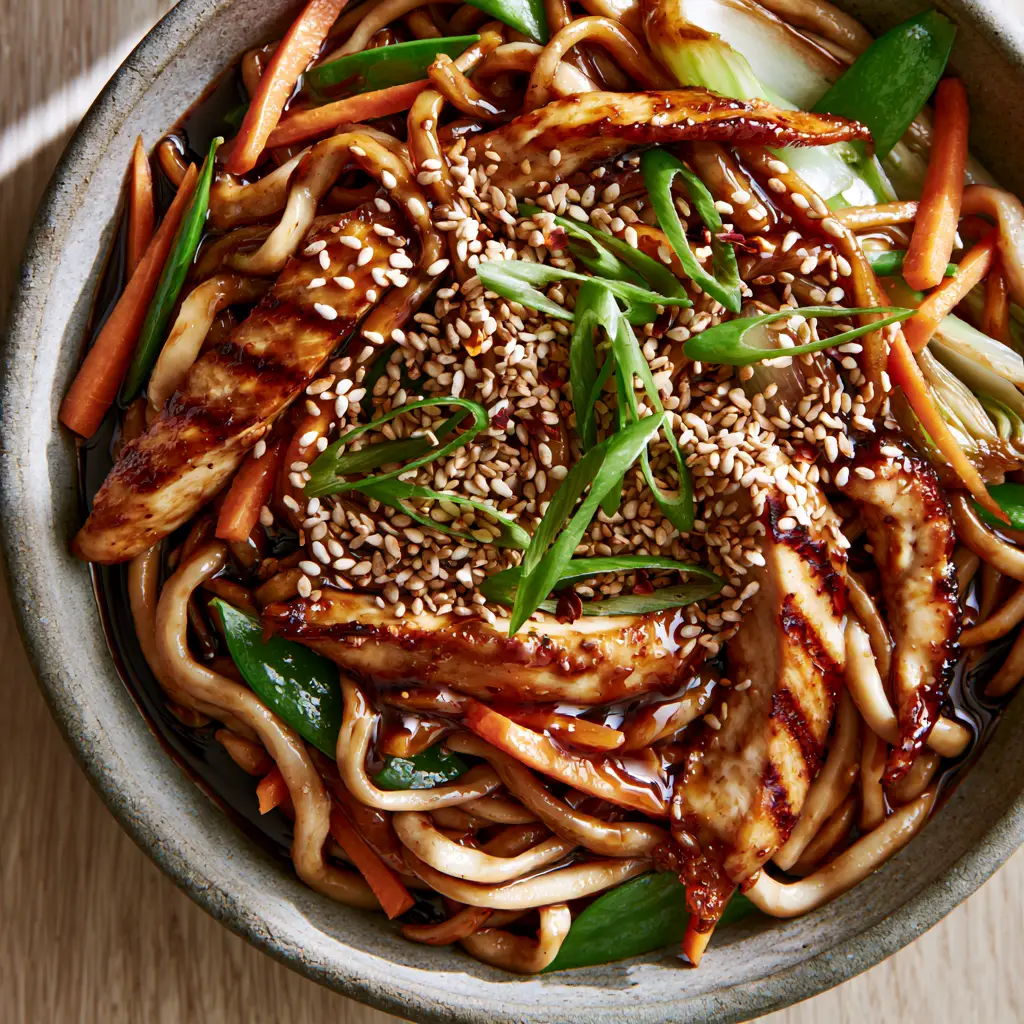
There is nothing quite like the sight of a steaming bowl of chicken lo mein, where thick, undulating wheat noodles are drenched in a dark, glossy sauce that catches the light like liquid mahogany. This recipe isn’t just about satisfying a craving; it’s about recreating that authentic, high-heat restaurant experience in your own kitchen with vibrant vegetables and perfectly caramelized protein.
Imagine wide strips of tender chicken breast, each boasting distinct golden-brown sear marks, nestled among bright emerald-green snap peas and julienned carrots. The scent of toasted sesame oil and sizzling ginger fills the air, promising a meal that is as aromatic as it is visually stunning. This is the ultimate comfort food, elevated by culinary techniques that ensure every bite is packed with texture and savory depth.
Whether you are a seasoned home cook or just starting your journey into stir-fry mastery, this guide will show you how to achieve that signature viscous, syrupy sauce and the perfect noodle chew. Let’s dive into the forensics of a perfect stir-fry, from the sizzle of the wok to the final flurry of toasted sesame seeds.
Why This Is the Ultimate Texture-Driven Noodle Bowl
- The Perfect “Q” Texture: We use thick wheat noodles that provide a resilient, chewy mouthfeel, standing up perfectly to the heavy, savory sauce.
- High-Heat Searing: Unlike boiled or poached versions, our chicken is seared until caramelized edges form, providing a smoky contrast to the tender interior.
- Vibrant Color Palette: The contrast between orange carrots, translucent bok choy stems, and bright green snap peas creates a visual masterpiece.
- Syrupy Sauce Emulsification: We balance dark and light soy sauces with aromatics to create a viscous coating that clings to every single noodle.
The Anatomy of Authentic Chicken Lo Mein Ingredients
To achieve the result seen in professional kitchens, we must select ingredients that provide both flavor and structural integrity. Every component plays a role in the final visual and sensory experience of the dish.
Thick Wheat Noodles: You will need 12 oz (340g) of fresh or dried thick wheat noodles. These provide the “undulating” visual described in our blueprint and offer a satisfying chew that thinner rice noodles simply cannot replicate.
Chicken Breast Strips: 1 lb (450g) of chicken breast, sliced into wide, even strips. Slicing against the grain ensures the meat remains tender while the high-heat sear creates those beautiful golden-brown caramelized edges.
Dark Soy Sauce: 2 tbsp (30ml) of dark soy sauce is essential for that deep mahogany color. It is less salty than regular soy sauce but provides a rich, syrupy consistency and intense caramel notes.
Light Soy Sauce: 2 tbsp (30ml) of light soy sauce provides the necessary salinity and fermented depth. This balances the sweetness of the other ingredients without overpowering the delicate chicken.
Oyster Sauce: 3 tbsp (45ml) of high-quality oyster sauce adds the “viscous, syrupy texture” mentioned in our visual prompt. It acts as a thickener and flavor bomb, bringing umami to the forefront.
Toasted Sesame Oil: 1 tbsp (15ml) for the sauce and a final drizzle for that signature “sesame oil sheen.” This oil is for flavor and aroma, not for high-heat frying, so it is added toward the end.
Aromatic Base: 1 tbsp (15g) of minced ginger and 3 cloves of garlic. These foundational ingredients infuse the cooking oil and create the aromatic backbone of the entire chicken lo mein.
Julienned Carrots: 1 cup (125g) of carrots, cut into thin matchsticks. These provide a subtle sweetness and a bright orange pop that remains crisp-tender after a quick toss in the wok.
Bright Green Snap Peas: 1.5 cups (150g) of whole snap peas. These provide a structural “snap” and a vibrant emerald color that contrasts beautifully against the dark sauce.
Sliced Bok Choy: 2 cups (150g) of sliced baby bok choy. The white stems provide a translucent crunch, while the green leaves wilt slightly to soak up the savory sauce.
Foundational Searing Oil: 3 tbsp (45ml) of a high-smoke point oil like grapeseed or vegetable oil. This is scientifically required to achieve the sear marks on the chicken without burning the sauce. If you enjoy this flavor profile, you might also love our teriyaki chicken for another classic poultry dish.
Garnish Essentials: Toasted white sesame seeds, fresh sliced green scallions, and red chili flakes. These are not just for flavor; they provide the final color contrast and texture that makes the dish “pop” off the plate.
Essential Tools for Stir-Fry Success
To replicate the macro-shot quality of this dish, you need tools that handle high heat efficiently. A heavy-bottomed carbon steel wok is ideal because it develops “wok hei” or the breath of the wok, but a large cast-iron skillet is a fantastic alternative for home cooks.
You will also need a sharp chef’s knife for the precise julienning of carrots and the thin slicing of scallions. A pair of long kitchen tongs or a pasta fork is necessary to toss the thick wheat noodles effectively, ensuring they are evenly drenched in that glossy sauce without breaking.
Mastering the Art of the Perfect Noodle Stir-Fry
Preparing the Noodle Foundation
Start by boiling a large pot of salted water. Cook your 12 oz (340g) of wheat noodles according to package instructions, but aim for “al dente”—they should still have a firm bite in the center.
Drain the noodles and immediately rinse them under cold running water. This stops the cooking process and removes excess starch, preventing the noodles from becoming a gummy mass. Toss them with a teaspoon of sesame oil to keep them separated and glossy.
Achieving the Golden-Brown Chicken Sear
Pat your 1 lb (450g) of chicken breast strips completely dry with paper towels. Any moisture on the surface will create steam, preventing the formation of those beautiful golden-brown sear marks we see in the visual prompt.
Heat 2 tbsp (30ml) of oil in your wok over high heat until it begins to shimmer and produce a faint wisp of smoke. Add the chicken in a single layer. Let it sit undisturbed for 2-3 minutes; this patience is what creates the caramelized edges and deep flavor profile similar to our chicken and broccoli technique.
Stir-Frying the Vibrant Vegetables
Remove the chicken from the wok and set it aside. Add another tablespoon of oil if needed, then toss in the julienned carrots, snap peas, and bok choy stems. You are looking for a visual cue of “brightening”—the snap peas should turn a vivid emerald green within 90 seconds.
Add the minced ginger and garlic during the last 30 seconds of vegetable frying. You want to smell the aroma immediately, but be careful not to let the garlic brown, as it can turn bitter and ruin the mahogany sauce profile.
The Final Emulsification and Garnish
Return the chicken and noodles to the wok. Pour over the pre-mixed sauce (dark soy, light soy, oyster sauce, sugar, and sesame oil). Use your tongs to lift and toss the ingredients vigorously over high heat.
The sauce will begin to reduce and thicken, creating a visible viscous, syrupy texture that coats every strand. Once the noodles are steaming and the sauce is glossy, remove from heat. For a different twist on noodle bowls, you might consider this spicy pasta for your next meal.
Expert Tips for Restaurant-Quality Chicken Lo Mein
- Don’t Overcrowd the Pan: If your wok isn’t large enough, sear the chicken in two batches. Overcrowding drops the temperature and results in grey, boiled meat instead of seared strips.
- The Cold Noodle Rinse: Never skip the cold rinse for wheat noodles. It is the secret to the “undulating” and distinct noodle strands seen in the macro photography.
- Sauce Ratios: If your sauce looks too thin, mix 1 tsp of cornstarch with 1 tbsp of water and add it to the simmering wok. This ensures the sauce catches the light and clings to the noodles.
- Fresh vs. Dried: While dried noodles work, fresh wheat noodles (often found in the refrigerated section) provide a superior, chewy texture that defines authentic chicken lo mein.
Serving and Presentation Cues
To match the aesthetic of our visual blueprint, serve the chicken lo mein in a rustic, matte grey ceramic bowl. The neutral background allows the mahogany sauce and emerald vegetables to stand out.
Tongs should be used to swirl the noodles into the bowl, creating height. Arrange a few seared chicken strips and snap peas on top. Finish with a generous flurry of toasted white sesame seeds, thinly sliced green scallions, and a pinch of red chili flakes for that professional, steaming macro-shot look.
Storage and Reheating Advice
This dish stores exceptionally well, making it a favorite for busy weekday lunches. Keep leftovers in an airtight container in the refrigerator for up to 3 days.
To reheat, add a splash of water or chicken broth to a pan and toss the noodles over medium heat. This thins the chilled, thickened sauce and restores the glossy sheen. Avoid the microwave if possible, as it can make the wheat noodles overly soft.
Pairs Well With These Kitchen Favorites
If you enjoy this flavor profile, you might also want to try our savory chicken and mushrooms for a lower-carb option. For those who love a bit of fusion, these buffalo chicken bowls offer a completely different but equally satisfying spicy kick.
Frequently Asked Questions
Absolutely! Chicken thighs are more forgiving and remain juicy even at high temperatures. Just ensure you still pat them dry to achieve those golden-brown caramelized edges.
The combination of dark soy sauce and oyster sauce naturally provides body. For a professional ‘syrupy’ look, ensure you toss the noodles on high heat to reduce the sauce, or add a small cornstarch slurry.
The primary difference lies in the noodles and cooking method. Lo Mein uses thick, boiled wheat noodles that are tossed in sauce at the end, while Chow Mein usually features thinner noodles that are fried until crispy.
Look for fresh egg noodles or thick wheat noodles in the refrigerated section of your grocery store. If using dried, look for ‘Shanghai style’ noodles for that signature undulating texture.
The Complete Chicken Lo Mein Recipe
Chicken Lo Mein with Golden-Brown Seared Chicken and Glossy Mahogany Sauce
Ingredients
Equipment
Method
- Boil wheat noodles until al dente. Drain and rinse with cold water to ensure they stay undulating and chewy. Toss with a dash of oil.
- Combine dark soy, light soy, oyster sauce, sugar, and sesame oil in a small bowl. Stir until the sugar dissolves into a syrupy texture.
- Heat oil in a wok over high heat. Add chicken strips in a single layer and sear until golden-brown marks and caramelized edges appear. Remove and set aside.
- Stir-fry carrots, snap peas, and bok choy for 2-3 minutes until bright emerald green. Add ginger and garlic for the final 30 seconds.
- Return chicken and noodles to the wok. Pour sauce over everything and toss vigorously over high heat until the sauce becomes a glossy mahogany glaze.
Notes
If the sauce doesn't thicken enough, a small cornstarch slurry will provide that extra viscous sheen.
Closing & Call to Action
Mastering chicken lo mein at home is a rewarding experience that brings the vibrant flavors and textures of a professional kitchen to your dining table. The combination of chewy wheat noodles, caramelized chicken, and that syrupy mahogany sauce is truly unbeatable.
If you enjoyed this recipe, please leave a comment below and let us know how your sear turned out! Don’t forget to share your creations and follow us at Pinterest for more culinary inspiration and visual recipe guides.