Finding high-protein vegetarian meals that satisfy the soul and the stomach can often feel like a culinary challenge. We frequently settle for salads or simple beans, missing the deep, savory complexity of a slow-cooked comfort classic.
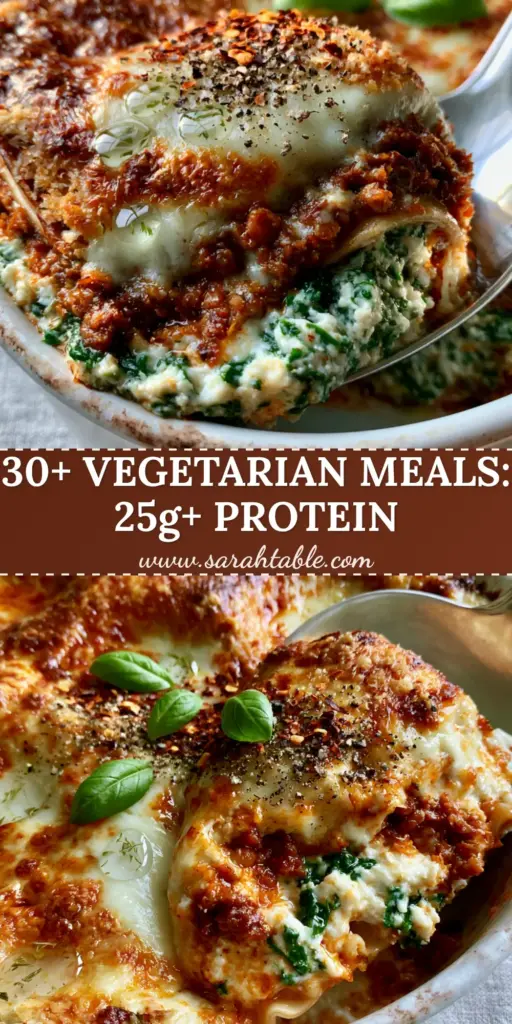
This Red Lentil and Walnut Lasagna changes the narrative entirely, offering a robust, plant-based alternative to the traditional meat-heavy dish. It delivers a stunning “cheese pull” and a rich, meaty texture that even the most dedicated carnivores will admire.
Inspired by the golden glow of morning light hitting a bubbling casserole, this recipe focuses on textural layers and high-quality fats. Every bite is a calculated balance of protein-rich legumes, omega-3 packed walnuts, and creamy whipped greens.
Why This Recipe Defines High-Protein Vegetarian Meals
- Protein-Dense Core: Combining red lentils and walnuts provides a complete amino acid profile while mimicking the crumbly texture of traditional ground beef.
- Whipped Emerald Filling: Instead of simple dollops, we whip the spinach and ricotta to create a light, airy mousse that stays stable between pasta layers.
- Textural Contrast: A dual-cheese topping of mozzarella and parmesan creates a shattered-glass crust that contrasts beautifully with the tender, whole grain pasta.
- Shattered Spice Garnish: The final touch of cracked black pepper and red chili flakes cuts through the richness of the cheese for a balanced palate.

The Blueprint: Essential Ingredients for Structural Success
To achieve the visual and nutritional results seen in our high-protein vegetarian meals, specific ingredients are non-negotiable. We are building a structure that must stand tall when sliced.
Red Split Lentils: 1 ½ cups (300g)
These lentils break down during the simmering process, creating a natural thickener for the bolognese sauce. Their soft texture acts as the “meat” of the dish while packing 18 grams of protein per cooked cup.
Raw Walnut Halves: 1 cup (120g)
Walnuts provide the essential “chew” and fatty mouthfeel that lentils lack on their own. When pulsed in a food processor, they integrate perfectly into the tomato base, offering a nutty depth of flavor.
Whole Grain Pasta Sheets: 12-15 sheets (approx. 375g)
Thick-cut whole grain pasta provides more fiber and protein than white flour versions. They also have a sturdier structure, which prevents the lasagna from becoming soggy during the long bake.
Part-Skim Ricotta Cheese: 2 cups (475g)
Ricotta acts as the creamy binder; we will whip this with spinach to ensure it remains fluffy rather than grainy. For more high-protein vegetarian meals, you can also use ricotta on toast.
Fresh Baby Spinach: 5 oz (142g)
Finely chopped and folded into the cheese, the “emerald green” visual mentioned in our prompt comes from high-quality, fresh leaves. Ensure all moisture is squeezed out after wilting to protect the lasagna’s integrity.
Foundational Additions: You will also need 2 tbsp (30ml) of extra virgin olive oil for the initial sauté and the final drizzle. Don’t forget 1 tsp (6g) of sea salt and ½ tsp (1g) of dried red chili flakes for that signature heat.
Professional Equipment for the Perfect Cheese Pull
A 9×13 inch white ceramic baking dish is the standard for even heat distribution. Ceramic holds heat longer than metal, which is crucial for achieving that “bubbling, golden-brown crust.”
A high-speed food processor is essential for two steps: pulsing the walnuts to a coarse meal and whipping the ricotta-spinach mixture. This ensures the filling is professional-grade and smooth.
Finally, a heavy-bottomed Dutch oven is required for the bolognese. The thick base prevents the lentils from scorching as the liquid reduces into a thick, concentrated sauce.
Building the Masterpiece: Step-by-Step Instructions
Phase 1: The Red Lentil and Walnut Bolognese
Start by heating 1 tbsp (15ml) of olive oil in your Dutch oven over medium heat. Add finely diced onions, carrots, and celery, sautéing until the onions are translucent and fragrant.
Pulse your walnuts in the food processor until they resemble small pebbles, then add them to the pot along with the red lentils. Stir in 28 oz (800g) of crushed tomatoes and 2 cups (480ml) of vegetable broth.
Simmer the sauce uncovered for 20-25 minutes. You are looking for a “thick, protein-rich” consistency where the lentils are tender but the sauce is not runny; the liquid should be fully absorbed into the legumes.
Phase 2: The Whipped Spinach and Ricotta Filling
While the sauce simmers, wilt your spinach in a dry pan until it is just soft. Immediately transfer it to a clean kitchen towel and squeeze with maximum force to remove every drop of green liquid.
Place the dry spinach in the food processor with the ricotta, one egg (for stability), and a pinch of nutmeg. Process on high for 30 seconds until the mixture is a uniform, vibrant green and has the texture of thick mousse.
Phase 3: Layering for Maximum Height
Spread a thin layer of the lentil bolognese at the bottom of your ceramic dish. Lay down the first layer of whole grain pasta sheets, ensuring they slightly overlap to create a solid foundation.
Spread half of the whipped ricotta mixture over the pasta, followed by a generous layer of the bolognese. Repeat these layers until you reach the top of the dish, finishing with a final layer of pasta sheets.
Phase 4: The Golden-Brown Cheese Crust
Cover the final pasta layer with a thick blanket of shredded mozzarella (2 cups / 225g) and freshly grated parmesan (½ cup / 45g). This combination ensures both a deep “cheese pull” and a “toasted parmesan crust.”
Bake at 375°F (190°C) for 35-40 minutes. For the final 3 minutes, switch to the broiler. Watch for the visual cues: the cheese should be bubbling intensely and developing dark golden-brown crispy edges.

Expert Tips for Success
- Hydrate the Pasta: If using “no-boil” sheets, ensure the bolognese is slightly wetter than usual. The pasta will absorb that moisture, becoming tender while keeping the lasagna upright.
- The Resting Rule: Never slice a lasagna immediately. Let it sit for at least 15 minutes. This allows the protein structures in the lentils and cheese to set, ensuring perfect layers.
- Toast the Walnuts: For extra depth, toast the walnuts in a dry pan for 3 minutes before pulsing. This releases essential oils that enhance the “meaty” aroma of the bolognese.
- Squeeze the Spinach: If your filling is watery, your lasagna will slide. Use a lint-free towel and squeeze the spinach until it feels like a dry ball of clay.
Storage, Reheating, and Freezing Advice
Lasagna is one of those high-protein vegetarian meals that tastes even better the next day. The flavors of the lentils and walnuts continue to meld in the refrigerator.
Storage: Store in an airtight container for up to 4 days. To reheat, add a teaspoon of water to the corner of the container and microwave with a loose lid to steam the pasta back to life.
Freezing: This dish freezes beautifully. You can freeze the entire lasagna (pre-bake) for up to 3 months. To cook from frozen, add 20 minutes to the total baking time and keep it covered with foil for the first half of the bake.
What to Serve With This Lasagna
To keep the meal light and balanced, pair this lasagna with a bright, acidic side dish. A crisp arugula salad with a lemon vinaigrette works perfectly to cut through the richness of the ricotta.
If you want to maintain the high-protein theme throughout the day, consider our protein-packed waffles for breakfast. For a crunchy side, these baked parmesan crisps offer a similar umami profile to the lasagna topping.
If you’re hosting a dinner party, start with some fresh avocado appetizers to provide healthy fats that complement the walnut-based bolognese.
Frequently Asked Questions
Red lentils are preferred because they break down into a soft, sauce-like consistency. Green lentils hold their shape better, which would result in a chunkier, less cohesive bolognese sauce.
No soaking is required for red split lentils. Simply rinse them under cold water to remove any debris before adding them directly to the simmering tomato sauce.
To boost the protein, you can substitute the pasta sheets for high-protein chickpea or lentil-based lasagna noodles, and use fat-free Greek yogurt mixed with the ricotta filling.
Yes, it is excellent for meal prep. It stays structurally sound in the fridge for 4 days and the flavor of the lentil-walnut bolognese actually improves over time.
This usually happens if the lasagna hasn’t rested long enough or the filling was too wet. Ensure you squeeze all moisture from the spinach and let the dish sit for 15 minutes before serving.
The Ultimate High-Protein Vegetarian Lasagna Recipe
High-Protein Vegetarian Meals: The Ultimate Red Lentil and Walnut Lasagna
Ingredients
Equipment
Method
- Heat 1 tbsp olive oil in a Dutch oven. Sauté diced onions and carrots until soft.
- Add pulsed walnuts, lentils, tomatoes, and broth. Simmer for 25 minutes until the sauce is thick and legumes are tender.
- Process wilted spinach and ricotta in a food processor until light, airy, and emerald green.
- Layer bolognese, pasta sheets, and whipped ricotta in the ceramic dish. Repeat until full.
- Blanket with mozzarella and parmesan. Bake at 375°F (190°C) for 35-40 minutes until golden and bubbling.
- Drizzle with remaining oil and sprinkle with chili flakes, cracked pepper, and fresh torn basil.
Notes
Squeeze the spinach extremely well to avoid a watery filling.
Closing & Call to Action
Elevating your high-protein vegetarian meals doesn’t mean sacrificing the textures and flavors you love. This Red Lentil and Walnut Lasagna provides a masterclass in plant-based layering, resulting in a dish that is as visually stunning as it is nutritionally complete.
Whether you are cooking for a crowd or meal-prepping for a busy week, this recipe is a reliable addition to your rotation. The “cheese pull” alone is enough to make this a viral favorite in your household!
Did you try this recipe? We’d love to see your results! Leave a comment below and share your photos with us. Be sure to follow sarah_table and save this recipe to your “Vegetarian Dinner” board on Pinterest for later.