As the frost settles in and we look for earthy, grounding flavors to start the year, nothing satisfies quite like the deep umami of perfectly seared fungi. These January mushroom recipes are designed to transform humble ingredients into a restaurant-quality side dish or a meaty vegetarian main that defies the typical “soggy” mushroom stereotype. By utilizing high-heat techniques and a strategic balsamic finish, we achieve a result that is visually stunning and culinary perfection.
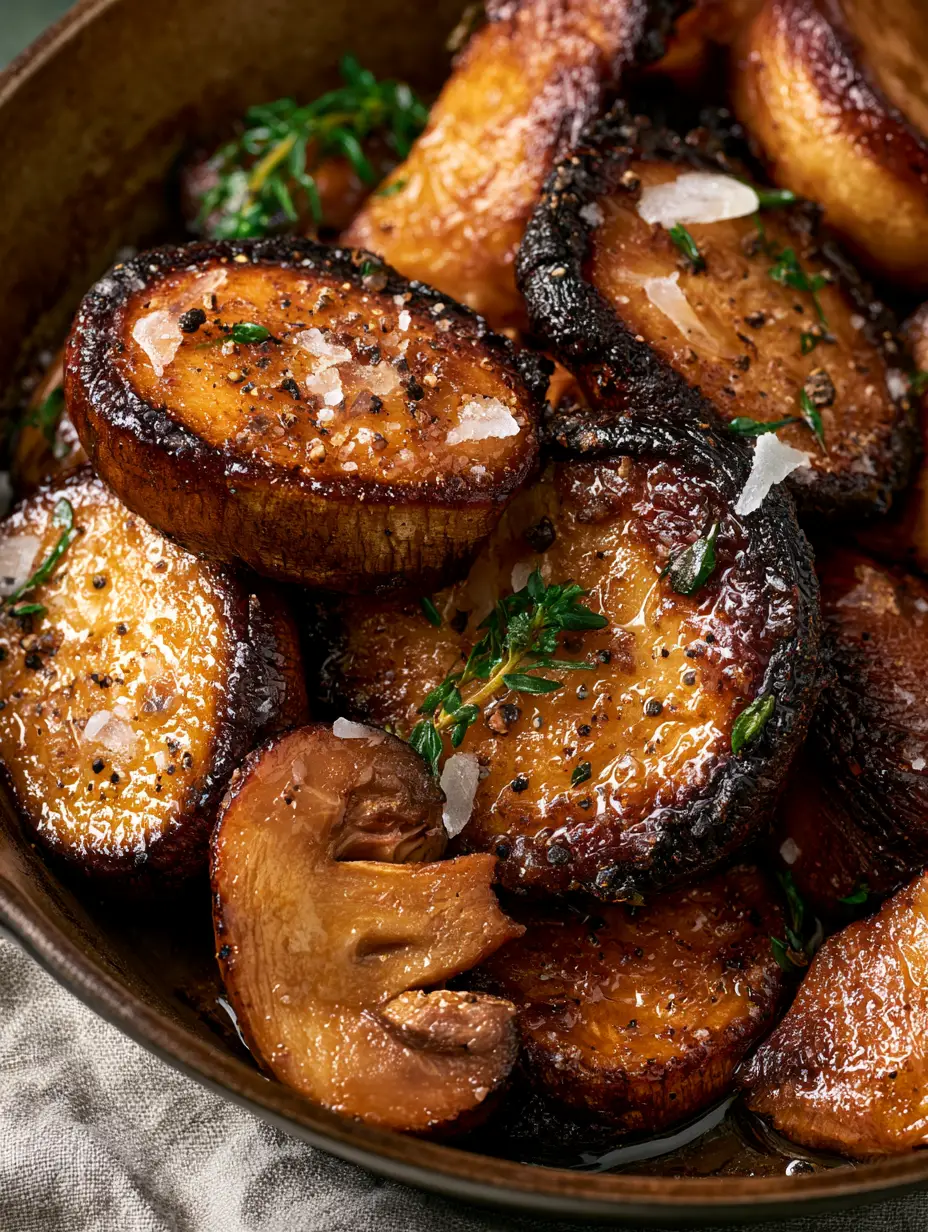
The secret to a successful winter kitchen lies in mastering the sear, especially during the colder months when we crave texture and depth. This recipe focuses on the structural contrast between thick-cut Cremini slices and dramatic, halved King Oyster mushrooms. The result is a skillet filled with golden-brown edges, a shimmering glaze, and a juicy, tender interior that feels incredibly indulgent yet remains wholesome and accessible for any home cook.
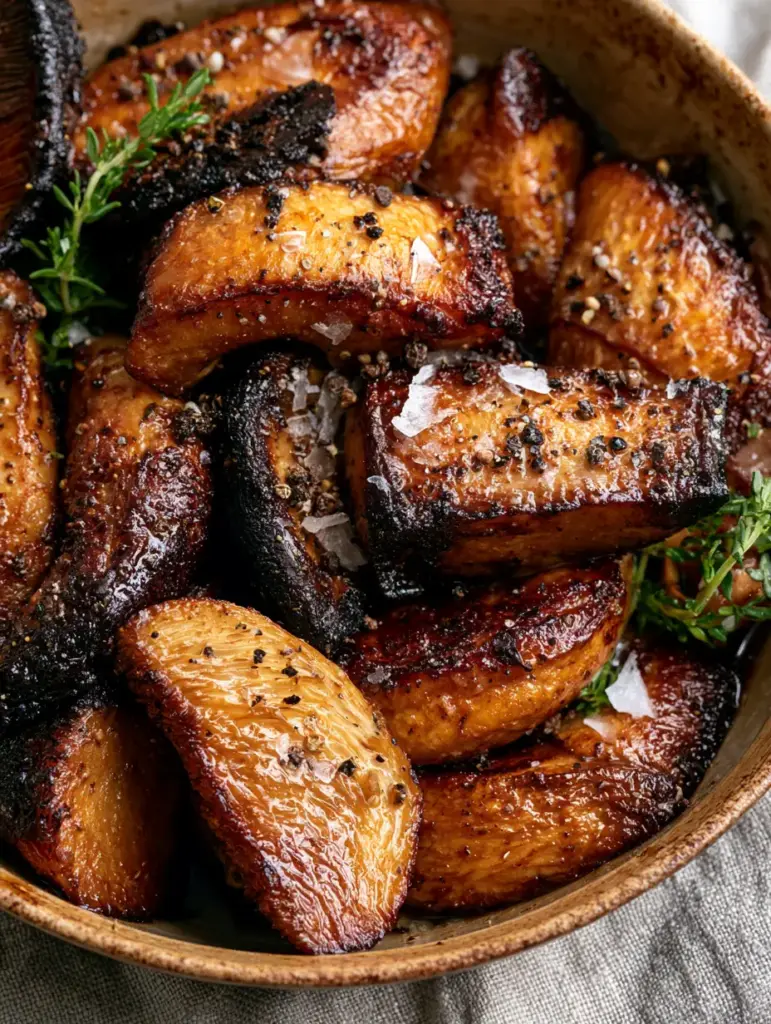
Why This Skillet Mushroom Medley is a Winter Essential
- Unmatched Texture: We use a specific dry-sear method to ensure zero sogginess, resulting in dark, crispy charred edges and a firm, meaty bite.
- Visual Brilliance: The combination of glossy balsamic glaze and vibrant fresh thyme leaves makes this a centerpiece-worthy dish.
- Complex Flavor Profile: The natural nuttiness of the King Oysters pairs perfectly with the acidic sweetness of balsamic and the rich, salted butter finish.
- Quick & Professional: Achieve a high-end culinary result in under 20 minutes using basic pantry staples and a single cast iron skillet.
The Essential Winter Pantry Staples for the Perfect Fungi
To achieve the result shown in our visual blueprint, each ingredient serves a scientific purpose beyond just flavor. We aren’t just tossing things in a pan; we are building layers of caramelization and moisture control.
Cremini Mushrooms: 1 lb (454g) of Cremini mushrooms, sliced into thick 1/2-inch (1.25cm) pieces. These provide the classic “mushroom” flavor and a wonderful surface area for the balsamic glaze to cling to.
King Oyster Mushrooms: 2 large King Oysters (approx. 200g), halved lengthwise. Their dense, scallop-like texture provides the “meaty” center of the dish and holds up beautifully under high heat.
Unsalted High-Smoke Point Oil: 2 tbsp (30ml) of avocado or grapeseed oil. This foundational ingredient is “invisible” in the final look but essential for reaching the high temperatures required for that golden-brown sear without smoking out your kitchen.
Salted Butter: 2 tbsp (30g) of high-quality salted butter. Adding this at the very end creates that “glossy” finish seen in the photos and adds a luxurious mouthfeel that oil alone cannot provide.
Balsamic Vinegar: 1 tbsp (15ml) of aged balsamic vinegar. The sugars in the vinegar will emulsify with the butter to create a shimmering, golden-brown glaze that coats every crevice.
Fresh Thyme: 4-5 sprigs (approx. 5g) of fresh thyme leaves. Fresh herbs are non-negotiable here; they provide a “vibrant” green contrast and an earthy aroma that complements the mushrooms.
Maldon Sea Salt Flakes: 1 tsp (5g) for finishing. These large flakes provide a localized “crunch” of seasoning and highlight the glistening texture of the sear.
Black Peppercorns: 1/2 tsp (2g) freshly cracked. Coarse cracks provide a pungent heat that cuts through the richness of the butter and balsamic.
The Right Gear for Maximum Caramelization
Achieving “zero moisture or sogginess” requires the right thermal mass. A 12-inch (30cm) rustic cast iron skillet is the preferred tool because it retains heat better than stainless steel or non-stick pans.
If you don’t have cast iron, use your heaviest bottomed skillet. You will also need a sharp chef’s knife for those clean, “thick-cut” edges and a pair of kitchen tongs to flip the King Oyster halves individually to ensure even charring across the flat surface.
Mastering the Perfect Cast Iron Sear
Preparing the Mushrooms for the Skillet
Clean your mushrooms using a damp paper towel rather than rinsing them under water. Mushrooms are like sponges; if they absorb water now, they will steam in the pan rather than sear, ruining our goal of crispy edges.
Slice the Cremini into thick, uniform pieces. For the King Oysters, slice them exactly in half lengthwise to expose the flat, white interior—this surface area is where your most beautiful caramelization will occur.
The Initial Dry Sear Phase
Place your cast iron skillet over medium-high heat until you see a faint wisp of smoke. Add the high-smoke point oil and swirl to coat. Carefully place the King Oyster halves cut-side down and scatter the Cremini slices around them in a single layer.
Visual Cue: Do not stir the mushrooms for at least 3-4 minutes. You want to hear a consistent, aggressive sizzle. If the pan goes quiet, your heat is too low.
Achieving the Golden Brown Edges
Once the undersides are deeply caramelized and dark brown, use tongs to flip the King Oysters and a spatula to toss the Cremini. The mushrooms should now look “meaty” and “tender” on the inside while having “dark, crispy charred edges” on the outside.
If the pan looks dry, do not add water. The mushrooms will eventually release a tiny bit of moisture that will immediately evaporate in the high heat, intensifying the flavor.
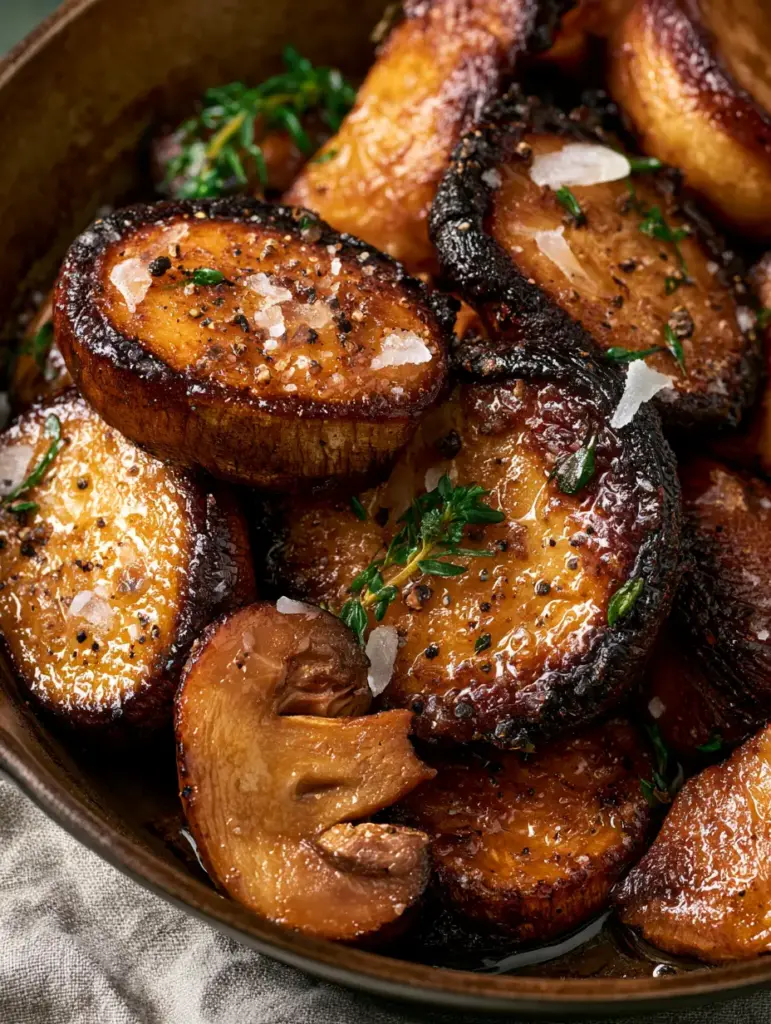
Glazing and Finishing for the Shimmer
Reduce the heat to medium and add the salted butter and balsamic vinegar. As the butter melts, it will bubble and foam, picking up the “frond” (the brown bits) from the bottom of the pan.
Toss the mushrooms constantly for 60 seconds. The balsamic and butter will reduce into a “thin, shimmering glaze” that should look glossy and golden-brown. Immediately remove from heat to prevent the balsamic sugars from burning.
The Final Garnish
While the mushrooms are still glistening in the skillet, sprinkle the fresh thyme leaves over the top. Finish with a generous pinch of Maldon sea salt flakes and several turns of freshly cracked black pepper. The residual heat will wake up the oils in the thyme, filling your kitchen with a January-appropriate aroma.
Common Pitfalls for Sogginess-Free Results
- Crowding the Pan: This is the #1 mistake. If you have too many mushrooms, they will overlap, trap steam, and become grey and rubbery. Work in batches if necessary.
- Early Salting: Salt draws out moisture. If you salt at the beginning, the mushrooms will sit in a pool of their own liquid. Always salt at the very end.
- Moving Them Too Much: Caramelization requires contact. Let the mushrooms sit undisturbed to develop that “handheld smartphone photo” quality crust.
What to Serve With This Skillet Medley
These mushrooms are incredibly versatile. For a light lunch, try serving them over a piece of creamy mushroom toast to double down on the fungi flavor. If you are looking for a more substantial dinner, they make a perfect side for garlic butter baked salmon or even alongside roasted cauliflower steaks.
If you’re hosting a steakhouse-style dinner at home, these are a dead ringer for the famous steakhouse-style mushrooms, but with a more sophisticated balsamic twist. They also pair beautifully with a crisp spinach and apple chickpea salad to provide some acidic crunch against the rich umami of the mushrooms.
Keeping Your Leftovers Fresh
To Store: Place any leftover mushrooms in an airtight glass container. They will stay fresh in the refrigerator for up to 3 days. Note that they will lose their exterior “crispness” but the flavor will actually deepen.
To Reheat: Avoid the microwave, which will make them rubbery. Instead, toss them back into a hot, dry skillet for 2-3 minutes. This will help re-caramelize the balsamic glaze and restore some of that juicy interior texture.
Frequently Asked Questions
Yes! Simply replace the salted butter with a high-quality vegan butter or an additional tablespoon of olive oil. The balsamic vinegar will still create a beautiful glaze.
No, you should never soak mushrooms in water. They are highly porous and will absorb liquid, making it impossible to get a crispy sear. Instead, wipe them with a damp paper towel to remove any debris.
King Oysters are large mushrooms with thick, edible stems and small caps. They have a meaty texture similar to scallops. You can typically find them at Asian grocery stores, specialty produce markets, or well-stocked supermarkets.
Use an oil with a high smoke point, such as avocado oil, grapeseed oil, or light olive oil. Avoid extra virgin olive oil for the initial sear, as it will burn at the high temperatures needed for caramelization.
Sogginess is usually caused by two things: crowding the pan and salting too early. Ensure you use a large skillet so the mushrooms aren’t overlapping, and only add salt at the very end once the sear is complete.
The Ultimate January Balsamic Mushroom Skillet
January Mushroom Recipes: Balsamic-Glazed Cast Iron Cremini and King Oysters
Ingredients
Equipment
Method
- Wipe mushrooms clean with a damp cloth. Slice Cremini into 1/2-inch thick pieces and halve King Oysters lengthwise.
- Heat oil in a cast iron skillet over medium-high until shimmering. Place mushrooms in a single layer. Sear for 4 minutes without moving until deep golden edges appear.
- Reduce heat to medium. Add butter and balsamic vinegar. Toss for 60 seconds until a thick, shimmering glaze forms and coats the mushrooms.
- Remove from heat. Garnish with fresh thyme, sea salt flakes, and cracked pepper. Serve immediately.
Notes
Wait until the very end to add salt to ensure the best possible sear.
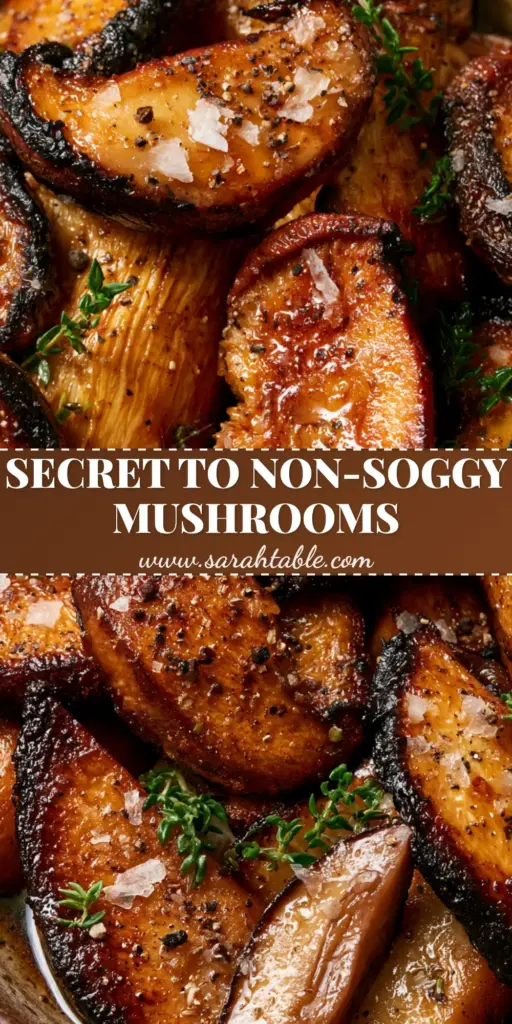
Closing & Call to Action
These January mushroom recipes prove that you don’t need a long list of ingredients to create something truly spectacular. By focusing on technique—the high-heat sear, the late seasoning, and the butter-balsamic finish—you can turn simple produce into a gourmet experience. This dish is a testament to the beauty of winter cooking: simple, hearty, and full of deep, complex flavors.
Did you manage to get those perfect charred edges? I’d love to hear how your skillet turned out! Leave a comment below or share your recreations on social media. Don’t forget to save this recipe to your “Winter Favorites” board on Pinterest so you can find it all season long!